Zenit 11: The 35mm Tank
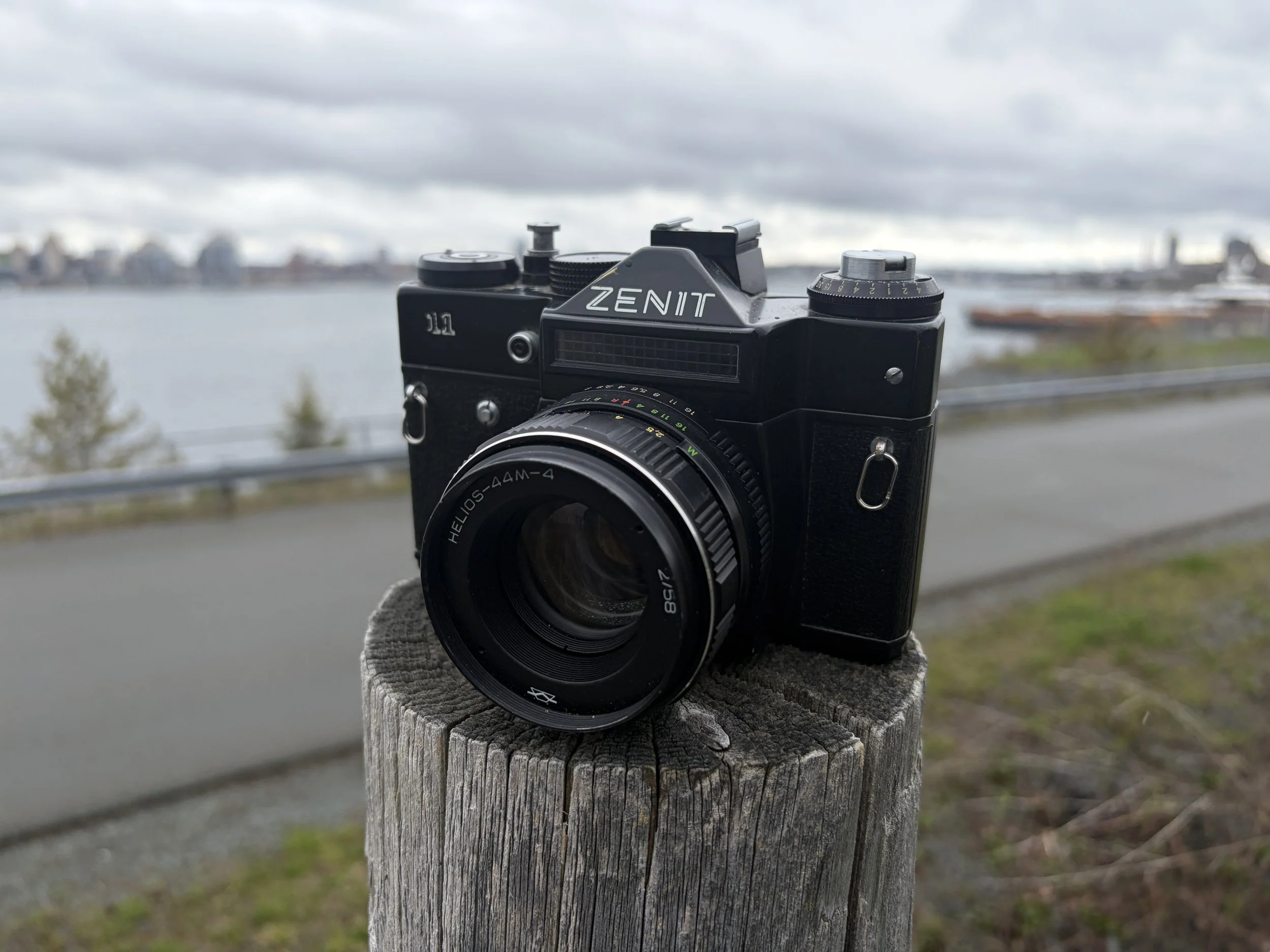
The Zenit 11. It’s built like a tank and handles like one too. This camera holds a special place in my photography heart. To be honest, I don’t actually own it, my dad does. However, in the spirit of its heritage I just say it’s OUR camera.
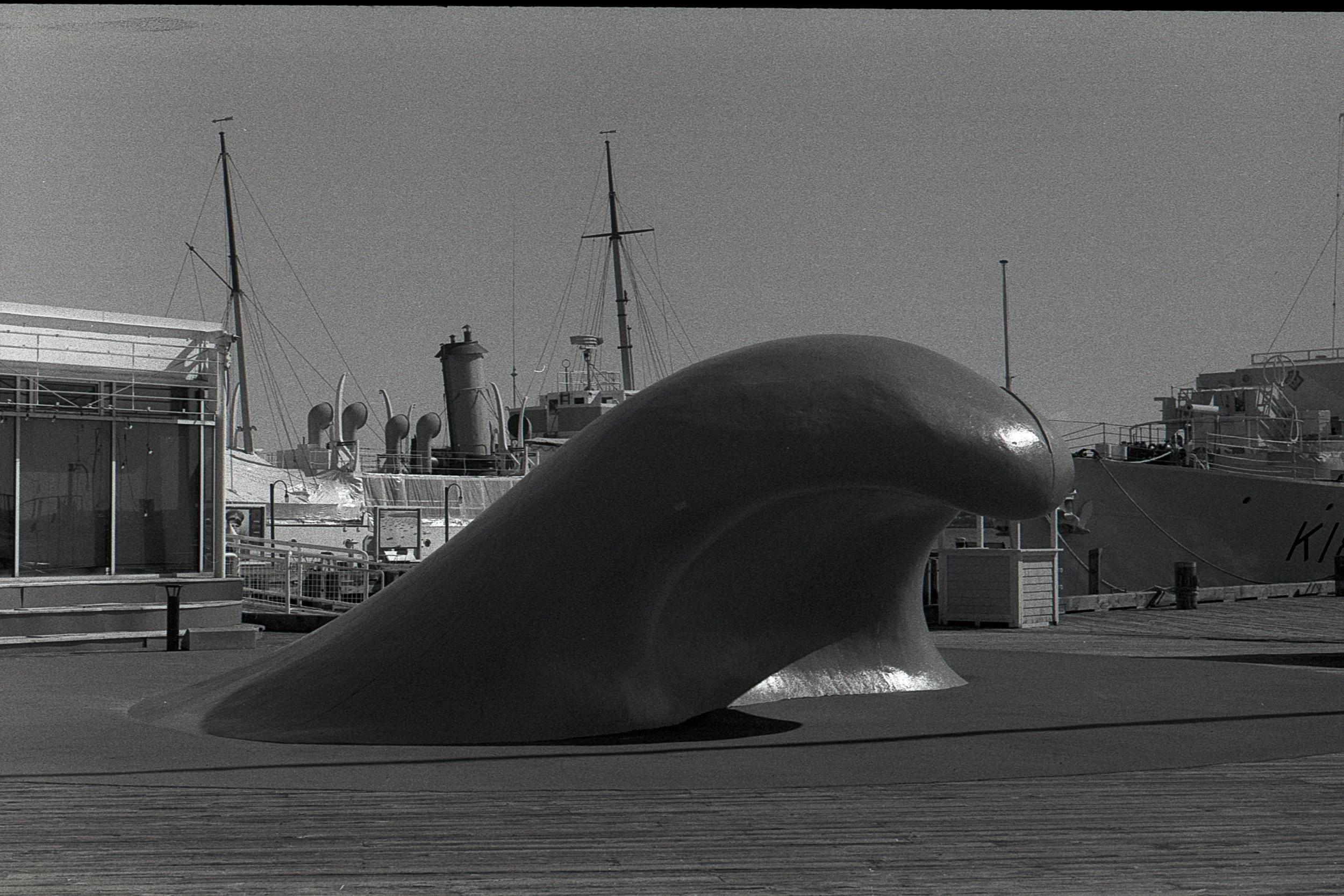
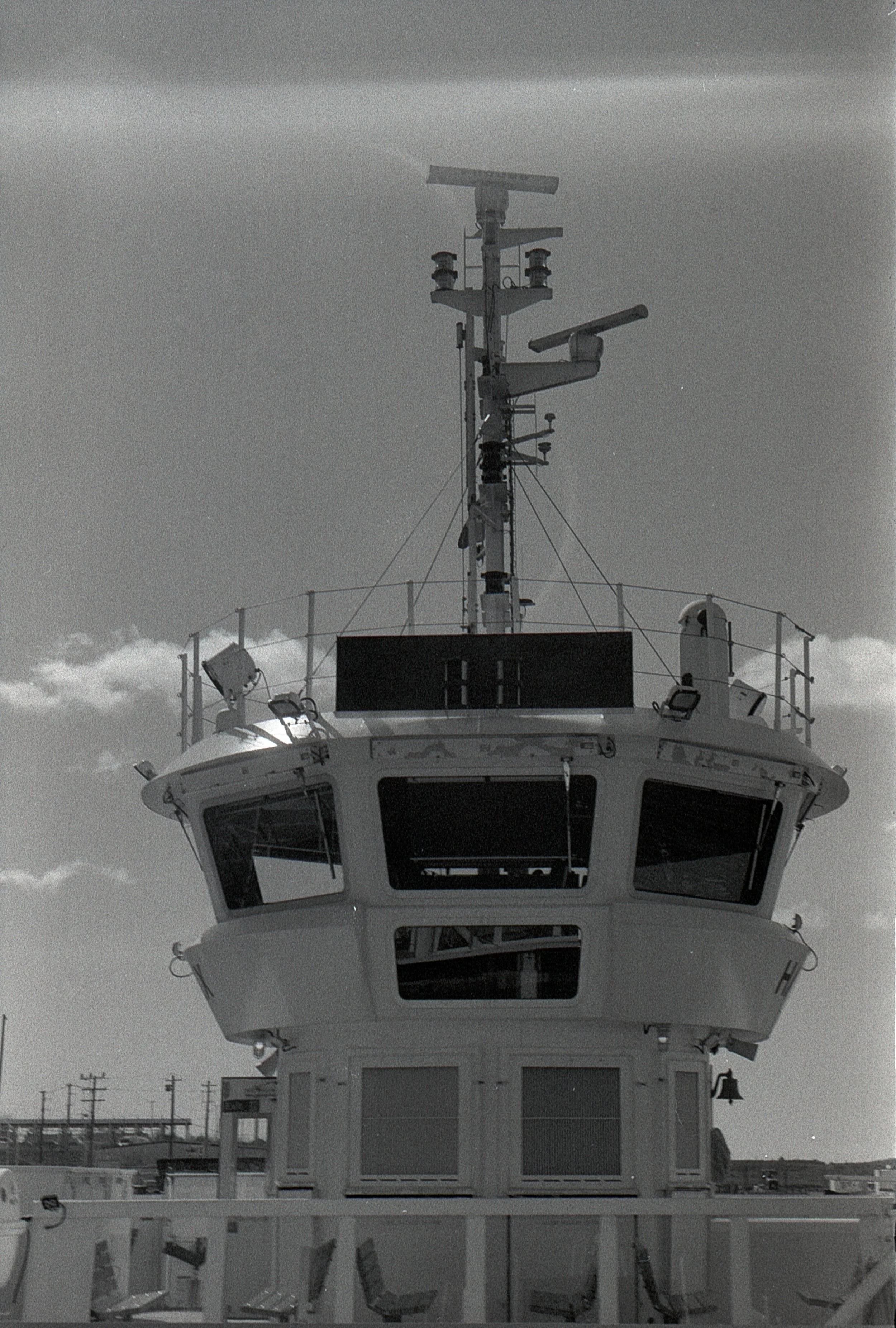
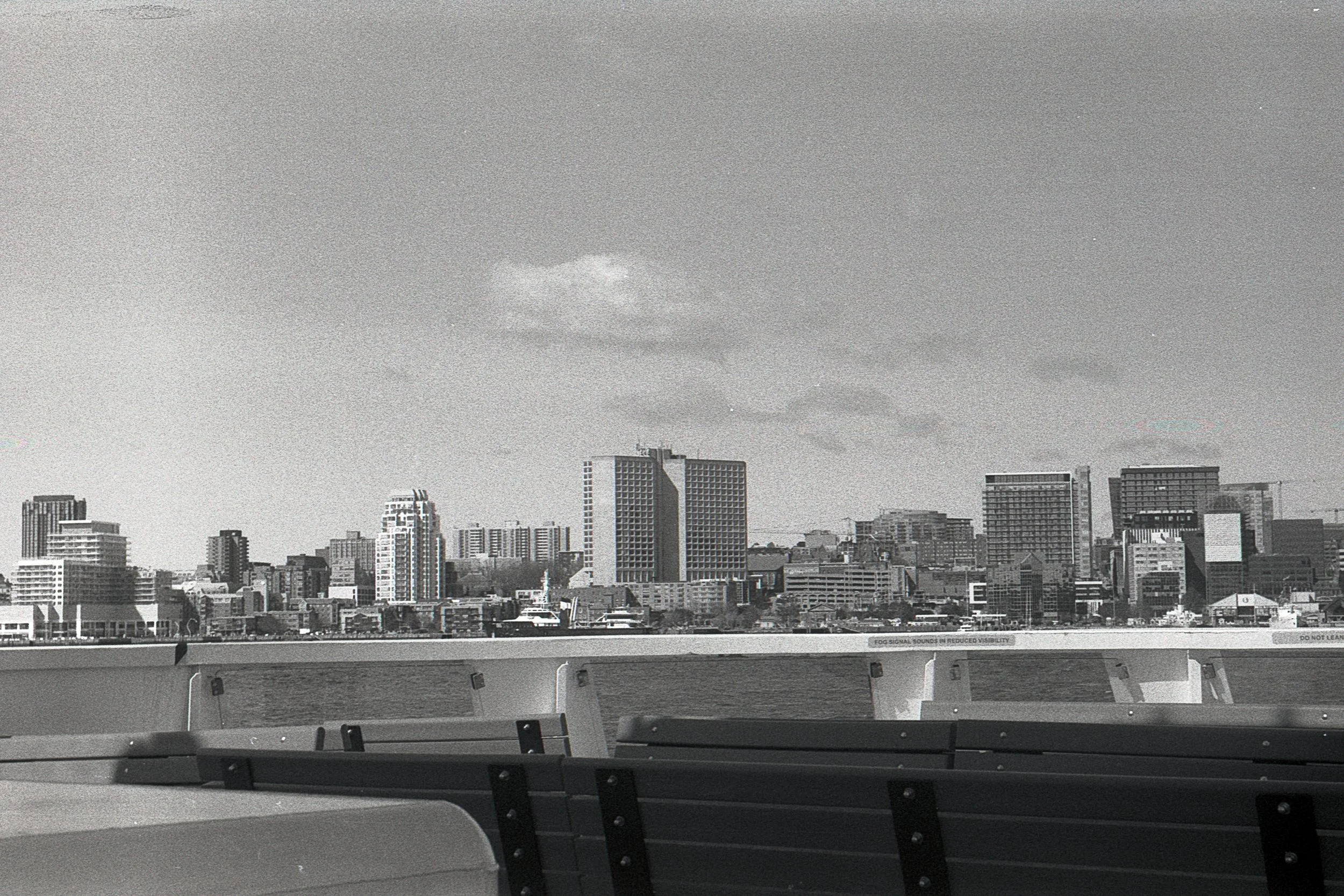
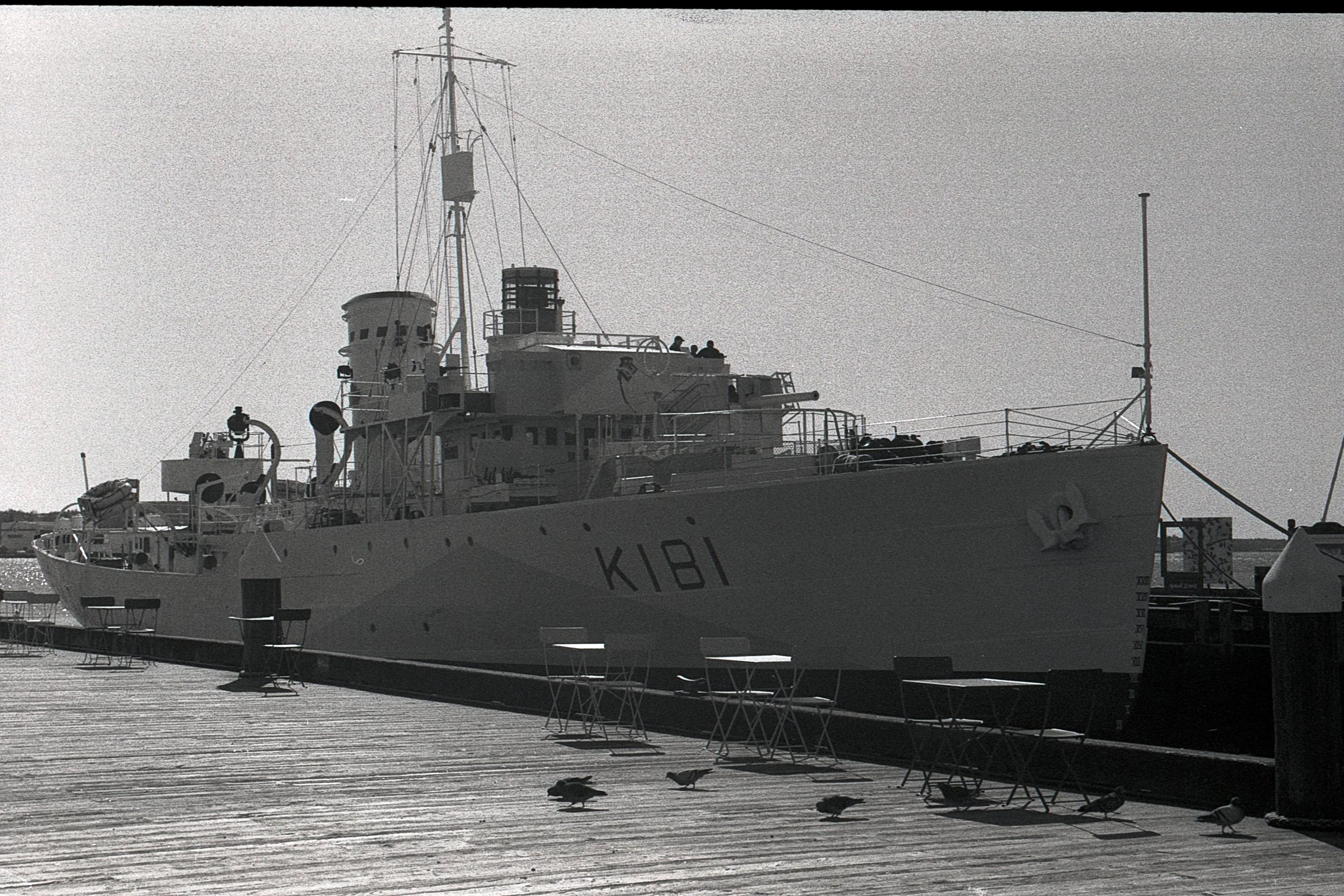
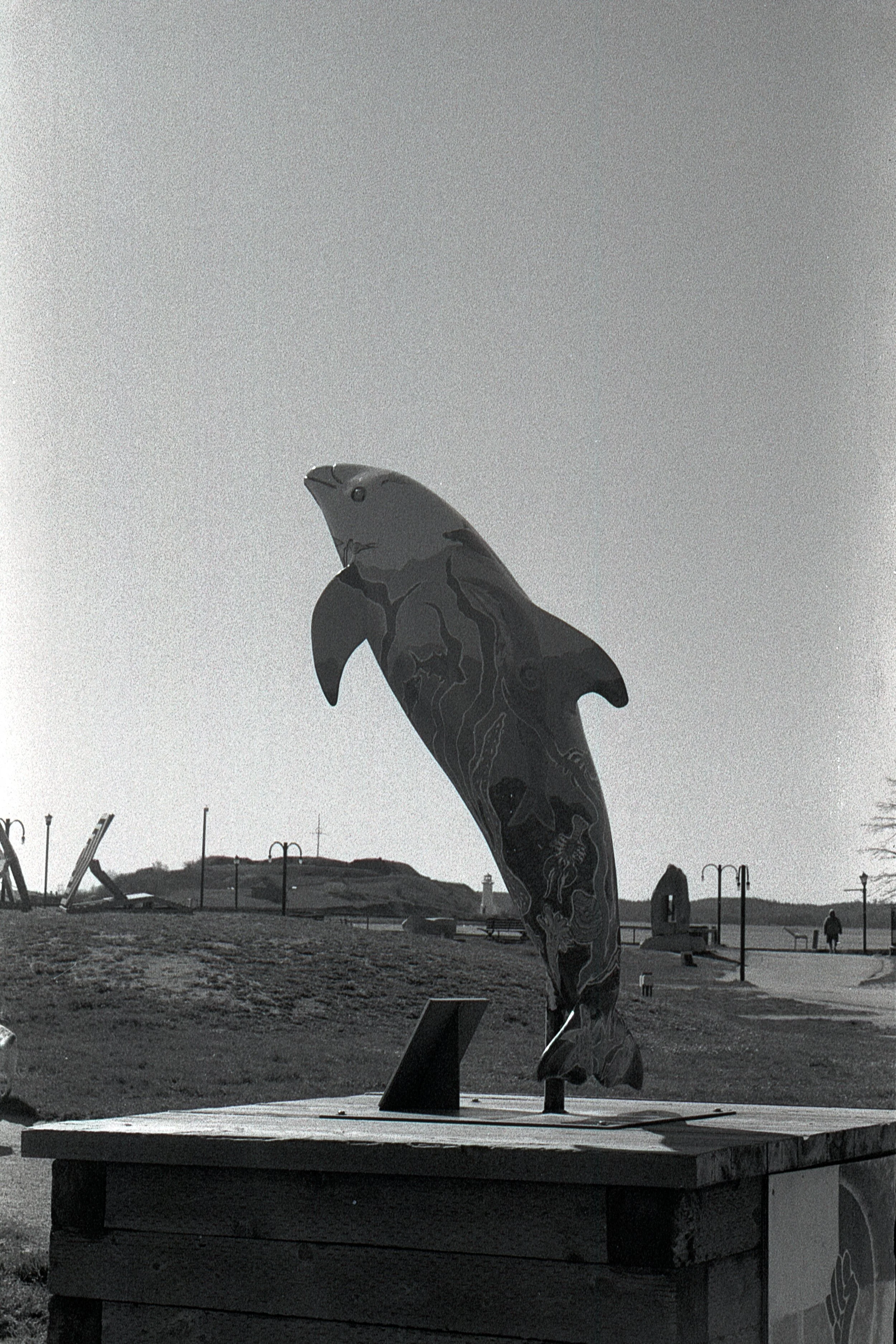
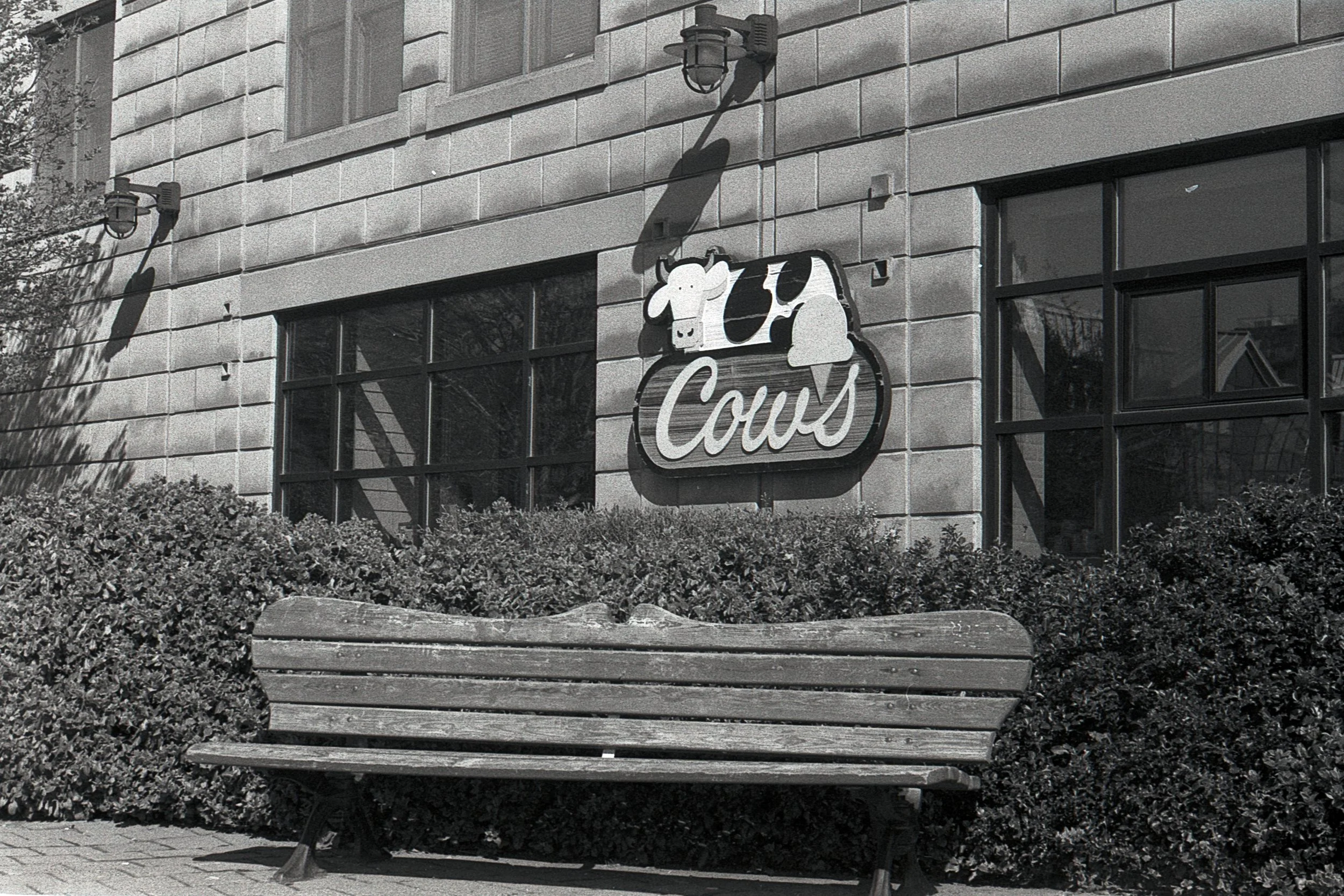
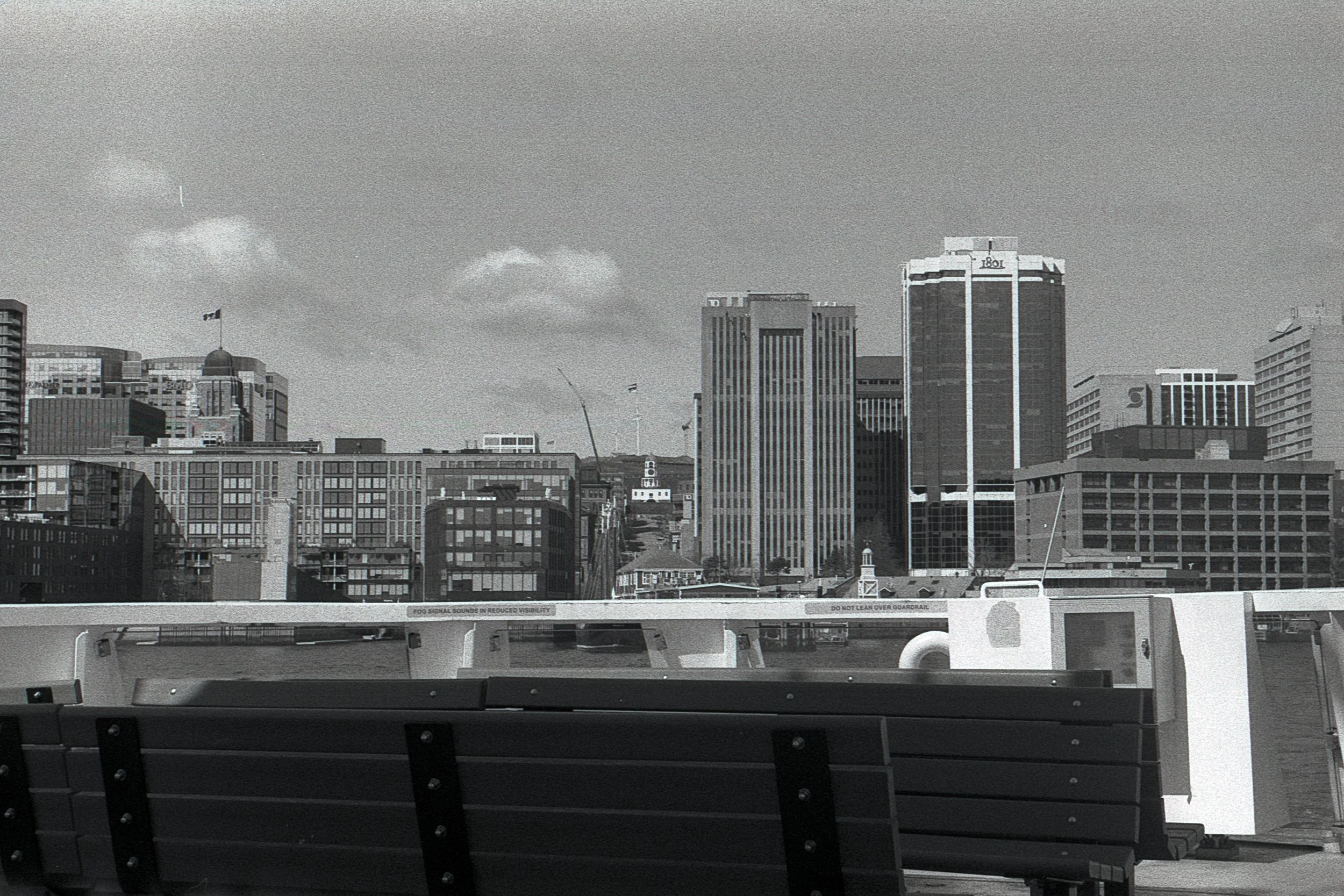
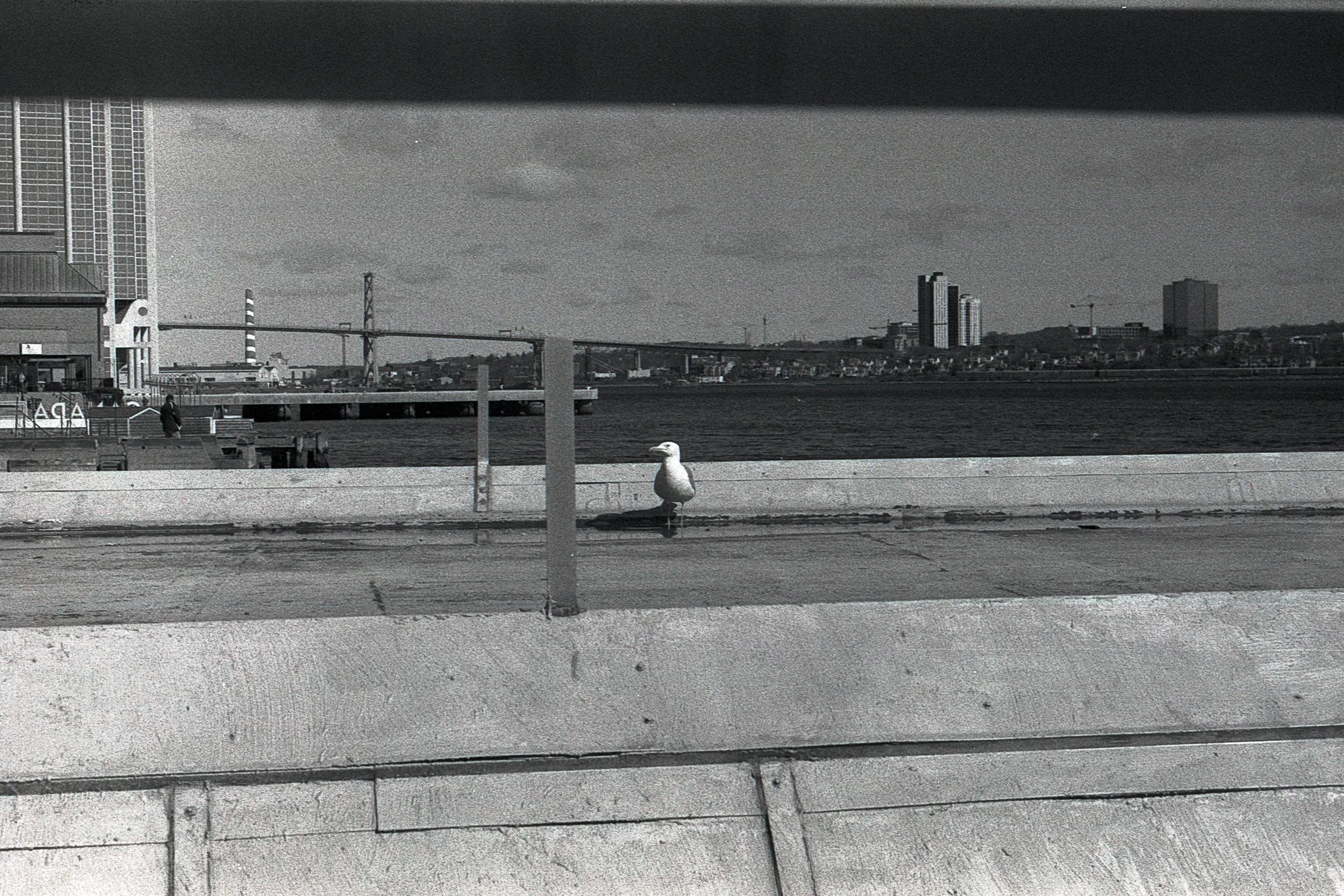
The Zenit 11 is a fully manual, fully metal piece of Soviet design. It takes the same 35mm film as any other camera of this format and takes equally good photographs. Of course like most 35mm film cameras (and film cameras in general), it's only as good as the lens you stick on it.
In my case this is the Helios-44M. A 58mm f2 prime lens known for its “swirly bokeh”. Made almost entirely of metal and glass, these things were one of the most massed produced lenses in the world.
Alright back to the camera for a bit.
My (dad’s) specific model is in pretty good shape still since its creation somewhere between 1981 and 1990. The uncoupled selenium light meter surprisingly still works after all these years. It’s in perfect working order with just a few cosmetic scuffs to the incredibly durable body.
The shutter is pretty slow due to the camera being all mechanical (no batteries here). Speeds range from 1/30 to 1/500, going up by full stops, along with a bulb setting for long exposures.
The viewfinder is good. It feels vintage, like looking through the past.
Now we should talk about the light meter system. It’s my least favorite part of this camera, but it’s still pretty neat. Like I said earlier, it uses selenium cells that create their own charge with light. Then, they use that charge to move a little needle inside the camera, which you can see in a window from the top plate, left of the viewfinder. All you have to do is twist the dial on the far left side of the top plate until the little circle overlaps with the needle. Then, you have to read the dial and match your shutter speed (on the outer ring) with the aperture (inner ring) that lines up. Using one of the shutter speed/aperture combos will give you a correct exposure.
Using this light meter calculator thingy is quite slow. But be thankful that the Zenit 11 has a light meter. Just be careful if you’re looking for one that the meter actually works, as most of the time these selenium cells just stop working.
Luckily for you studio buffs out there, this camera has a hot shoe and a PC sync socket. The flash sync speed is 1/30, which is marked with an X on the shutter speed dial next to the 30.
I have yet to use this thing in a studio and I don’t think I’ll try it. To be honest I don’t think this camera-lens combo is the best option for studio use. There are definitely better film cameras for that. This one is meant to be used in the elements, where you can throw an environmental background into a beautiful swirly blur with that Helios-44M
All in all this camera is a blast to play around with. I will probably invest in a separate light meter that can read the light a bit faster than I can on the built-in calculator. The heavy mechanical “thunk” of the shutter is always satisfying. With the basic, all manual operation and reliability of this camera, I think it is a great choice for hobbyists and students looking to delve deeper into the joy and history of 35mm film photography.